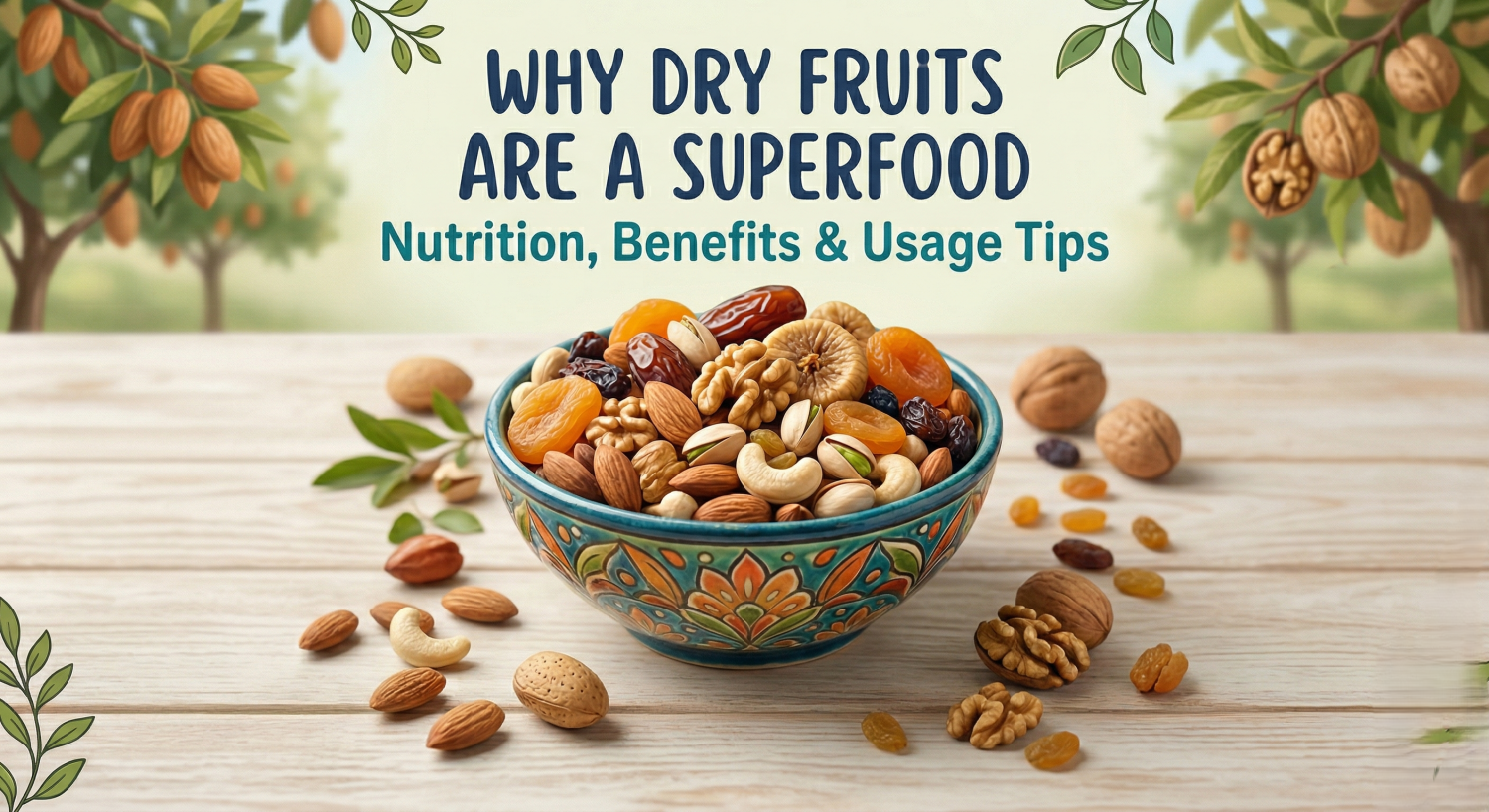

Why Walnuts Are a Superfood: Nutrition Facts and Health Benefits
Walnuts are one of the most popular and nutritious nuts in the world. Known for their unique brain-like shape and rich taste, walnuts are often called a “superfood” because they are packed with essential nutrients and health benefits. Whether you eat them as a snack, add them to salads, or include them in desserts, walnuts can play an important role in maintaining overall health. We will explore why walnuts are considered a superfood, their nutrition facts, and how they benefit your body.
What Makes Walnuts a Superfood?
A superfood is a food that is rich in nutrients and provides multiple health benefits. Walnuts fit perfectly into this category because they contain healthy fats, protein, vitamins, minerals, and antioxidants. Unlike many other nuts, walnuts are especially rich in omega-3 fatty acids, which are essential for heart and brain health. They also contain powerful plant compounds that help protect the body from diseases.
Nutrition Facts of Walnuts
Walnuts are highly nutritious even in small quantities. A handful of walnuts (about 28 grams) contains:
- Calories: 185
- Protein: 4 grams
- Healthy fats: 18 grams
- Fiber: 2 grams
- Omega-3 fatty acids: 2.5 grams
- Vitamin E
- Magnesium
- Phosphorus
- Copper
- Manganese
These nutrients work together to support different functions in the body, making walnuts a complete and balanced food choice.
Top Health Benefits of Walnuts
1. Good for Heart Health
Walnuts are known for their heart-friendly properties. They are rich in omega-3 fatty acids, which help reduce bad cholesterol (LDL) and increase good cholesterol (HDL). All these factors contribute to a healthier heart and reduce the risk of heart disease. Regular consumption of walnuts may help:
- Lower blood pressure
- Reduce inflammation
- Improve blood vessel function
2. Boost Brain Function
Walnuts look like a brain, and interestingly, they are great for brain health too. They contain nutrients like omega-3 fatty acids, antioxidants, and vitamin E that support cognitive function. They are especially beneficial for students and working professionals who need better mental performance. Eating walnuts regularly may help:
- Improve memory
- Enhance focus and concentration
- Reduce the risk of age-related brain disorders
3. Rich in Antioxidants
Walnuts are loaded with antioxidants, which help fight free radicals in the body. Free radicals can damage cells and lead to chronic diseases. In fact, walnuts have higher antioxidant activity compared to many other nuts. The antioxidants in walnuts help:
- Slow down aging
- Reduce inflammation
- Protect against diseases like cancer and diabetes
4. Support Weight Management
Even though walnuts are high in calories, they can still help with weight management. This is because they keep you full for a longer time and reduce unnecessary cravings. The combination of protein, fiber, and healthy fats makes them a satisfying snack option. Including walnuts in your diet can:
- Control hunger
- Prevent overeating
- Support healthy weight loss
5. Improve Digestive Health
Walnuts are a good source of dietary fiber, which is important for digestion. They also support the growth of good bacteria in the gut. Adding walnuts to your daily diet can help maintain a healthy digestive system. A healthy gut can:
- Improve digestion
- Boost immunity
- Enhance nutrient absorption
6. Good for Skin and Hair
Walnuts contain essential nutrients like vitamin E, biotin, and healthy fats that are beneficial for skin and hair. Regular consumption of walnuts can naturally improve your beauty from within. They help:
- Keep skin hydrated and glowing
- Reduce signs of aging
- Strengthen hair roots
- Promote hair growth
7. Help Control Diabetes
Walnuts can be beneficial for people with diabetes or those at risk. They have a low glycemic index, which means they do not cause a sudden spike in blood sugar levels. However, it is important to consume them in moderation. They may help:
- Improve insulin sensitivity
- Control blood sugar levels
- Reduce the risk of type 2 diabetes
8. Support Bone Health
Walnuts contain important minerals like magnesium, phosphorus, and calcium, which are essential for strong bones. Including walnuts in your diet can be a simple way to keep your bones strong. They help:
- Improve bone density
- Reduce the risk of osteoporosis
- Support overall skeletal health
How to Include Walnuts in Your Diet
Walnuts are very versatile and easy to include in your daily meals. Soaking walnuts overnight is also a popular practice, as it may improve digestion and nutrient absorption. Here are some simple ways:
- Eat them raw as a snack
- Add them to breakfast cereals or oatmeal
- Mix them into smoothies
- Use them in baking (cakes, cookies, brownies)
- Sprinkle over salads
- Add to Indian dishes like kheer or halwa
How Many Walnuts Should You Eat Daily?
Moderation is key when it comes to walnuts. A healthy amount is:
- 4–6 walnut halves per day This quantity provides enough nutrients without adding excess calories.
Are There Any Side Effects?
Walnuts are generally safe for most people. Always consume walnuts in moderate amounts and consult a doctor if you have allergies. However, excessive consumption may cause:
- Weight gain (due to high calories)
- Digestive issues
- Allergic reactions in some individuals
Conclusion
Walnuts truly deserve their title as a superfood. They are packed with essential nutrients and offer a wide range of health benefits, from improving heart and brain health to supporting digestion, skin, and overall wellness. Including walnuts in your daily diet is a simple and natural way to boost your health and energy levels. Whether you enjoy them raw, soaked, or in your favorite recipes, walnuts can make a big difference in your lifestyle. If you are looking for high-quality, fresh, and nutritious walnuts, Happy Shells is your trusted choice. We provide premium dry fruits that ensure the best taste and health benefits for you and your family
Also Read: California Almonds: Benefits, Nutrition, and Why They’re the World’s Premium Choice
FAQs
1. Are walnuts good for daily consumption?
Yes, walnuts are very healthy when eaten daily in moderation. Consuming about 4–6 walnut halves per day can provide essential nutrients like omega-3 fatty acids, antioxidants, and healthy fats without adding too many calories.
2. What is the best time to eat walnuts?
The best time to eat walnuts is in the morning, especially on an empty stomach after soaking them overnight. This helps improve digestion and allows better absorption of nutrients.
3. Can walnuts help in weight loss?
Yes, walnuts can support weight loss. They are rich in protein, fiber, and healthy fats, which keep you full for longer and reduce unnecessary snacking. However, portion control is important.
4. Are walnuts beneficial for brain health?
Absolutely! Walnuts are rich in omega-3 fatty acids and antioxidants, which help improve memory, focus, and overall brain function. They may also reduce the risk of age-related cognitive decline.
5. Can people with diabetes eat walnuts?
Yes, walnuts are safe for people with diabetes when consumed in moderation. They have a low glycemic index and may help regulate blood sugar levels and improve insulin sensitivity.